

plastic waste generated in India every year
IGNIS ECO · BENGALURU, INDIA
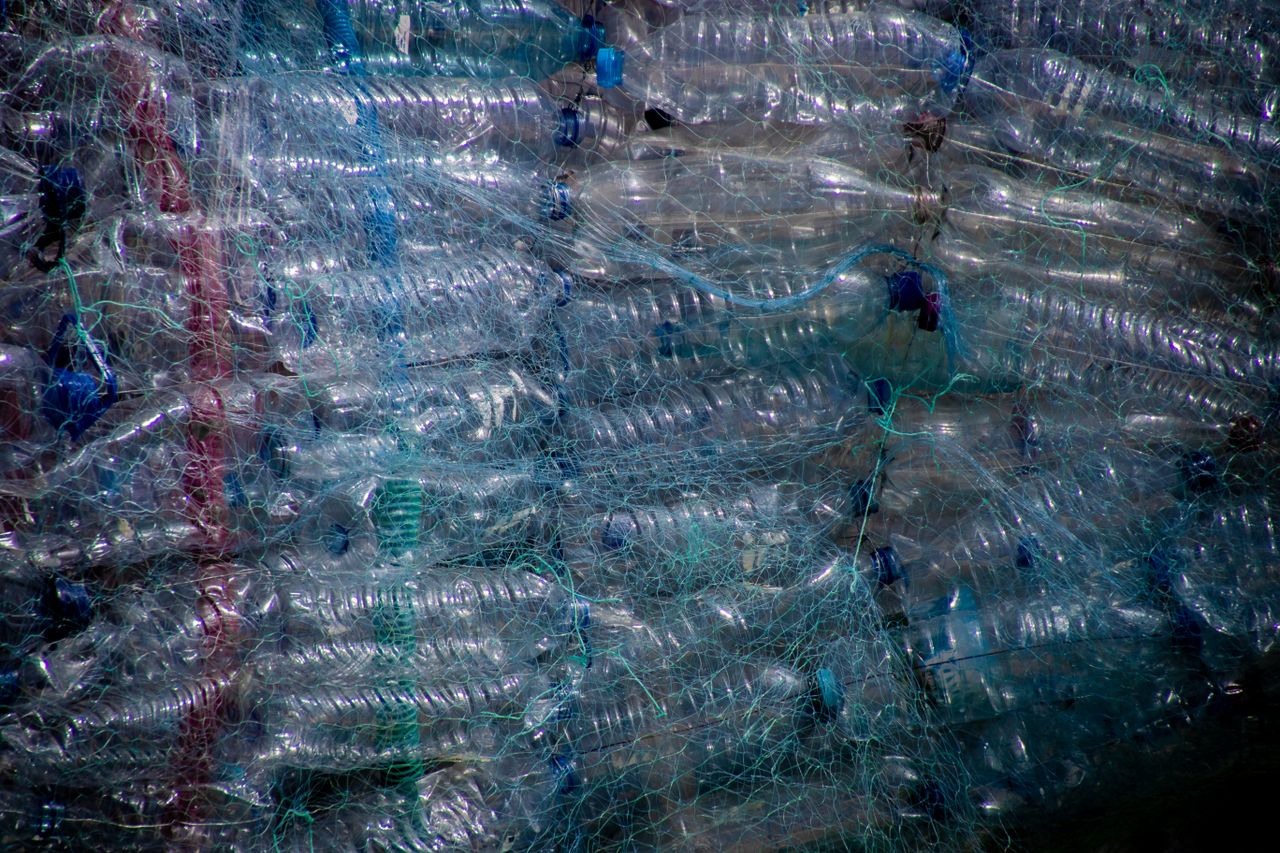
India's plastic is India's oil. We convert it back.
India throws away 9.3 million tonnes of plastic every year while importing over ₹11 lakh crore of crude oil. Ignis Eco turns the first problem into the answer to the second — converting plastic waste into clean, certified industrial fuel through AI-governed pyrolysis.
SINGAPORE INCORPORATED · BUILT IN INDIA · FOR THE WORLD NEXT
01
THE COST OF DOING NOTHING
A domestic fuel reserve, left in the open.
THE CRISIS
At the same moment India is paying the world for oil, it is drowning in plastic.
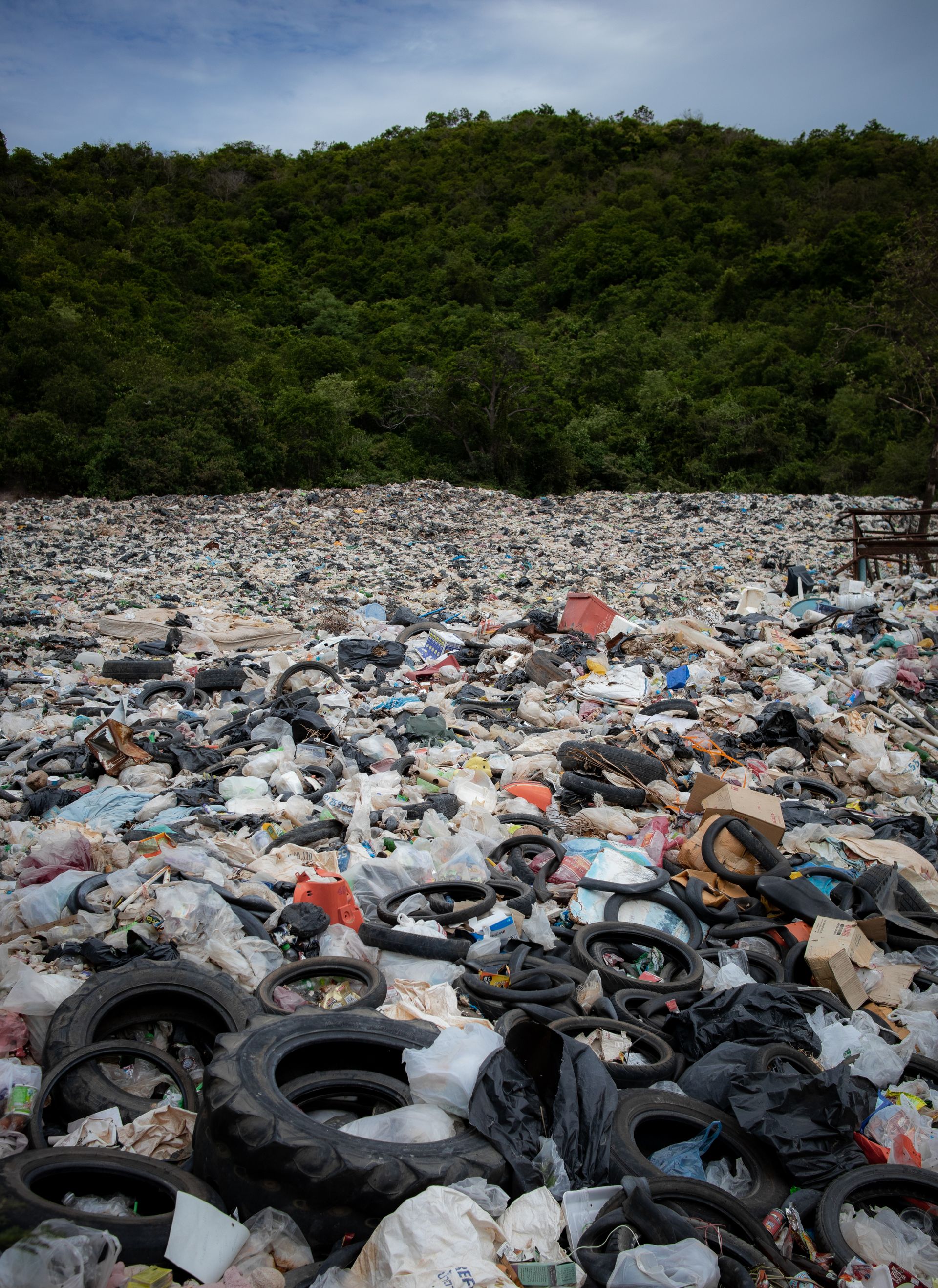
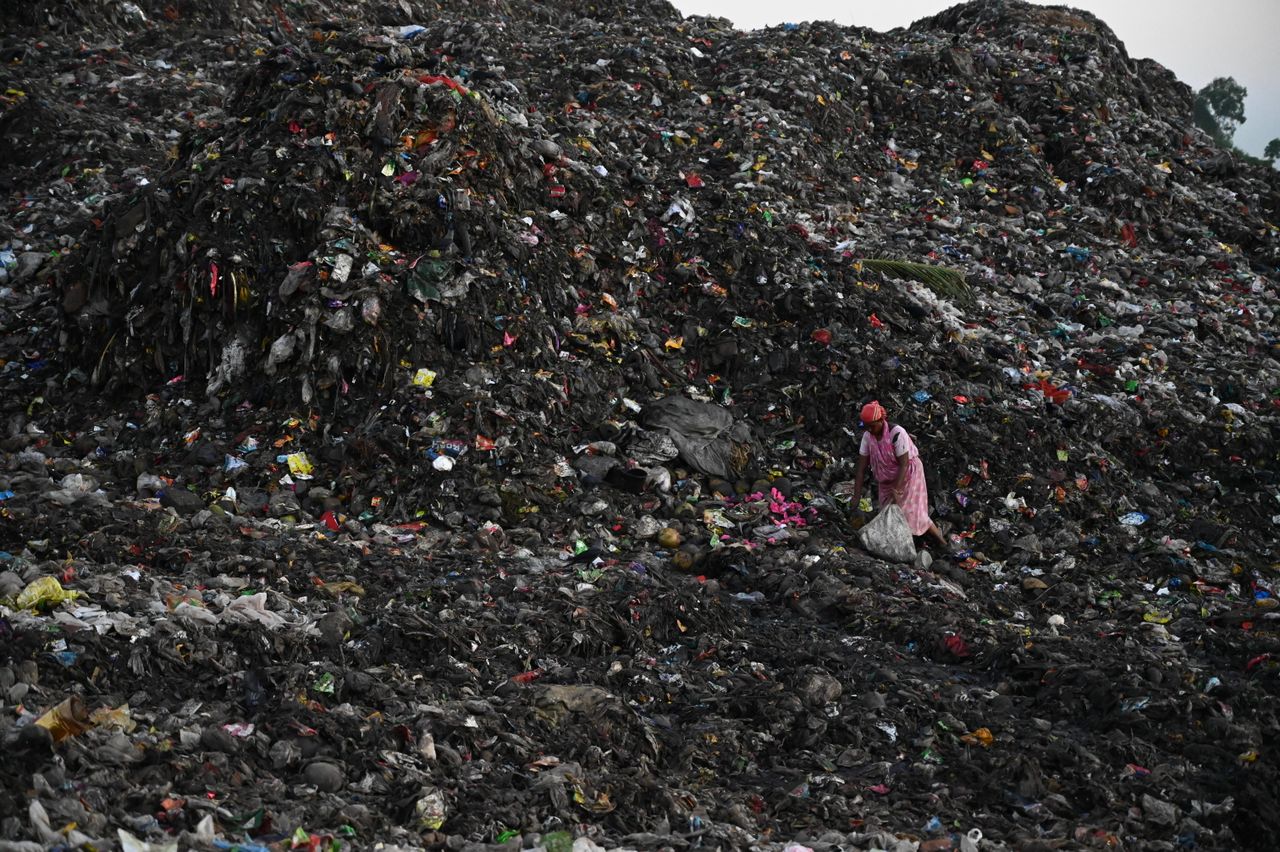
Every year India generates 9.3 million tonnes of plastic waste. Less than 30% is collected. The rest chokes rivers, overflows landfills, and burns in the open. Meanwhile, India spends over ₹11 lakh crore a year importing the very crude oil that plastic was made from. The waste on the street is an unrefined domestic fuel reserve — sitting there for free.
<
the fraction actually collected
₹
India's annual crude oil import bill
In 2022 India made plastic collection a legal mandate. The feedstock is no longer hoped for — it is required by law to flow. The moment to build is now.
02
WHY IT WORKS
Plastic is made from oil. We run the reaction in reverse.
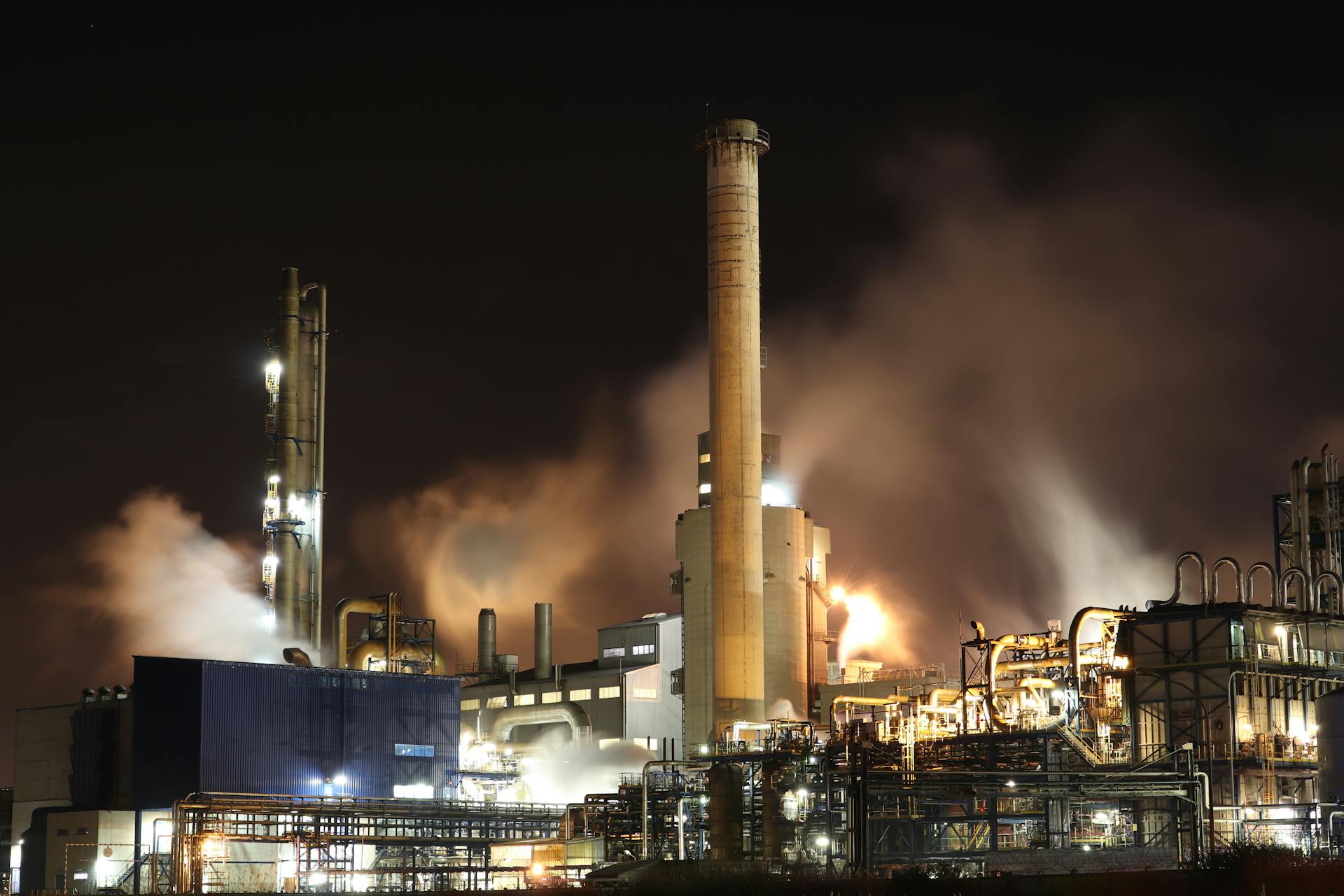
Plastic is synthesised from crude oil. Pyrolysis is simply that same chemical reaction run backwards — heating plastic waste without oxygen until it breaks back down into fuel. For the industrial buyers who burn furnace oil every day, the choice is simple: a cleaner fuel, a lower price, and a full compliance trail. The buyer's question isn't "should I switch?" — it's "why hasn't anyone offered me this before?"
THE CONVERSION
From waste stream to certified fuel.
UNMANAGED WASTE
AI CONTROL LAYER
CERTIFIED FUEL
UNMANAGED WASTE
AI CONTROL LAYER
CERTIFIED FUEL
03
THE PROCESS
The reactor is standard hardware. The intelligence is the moat.
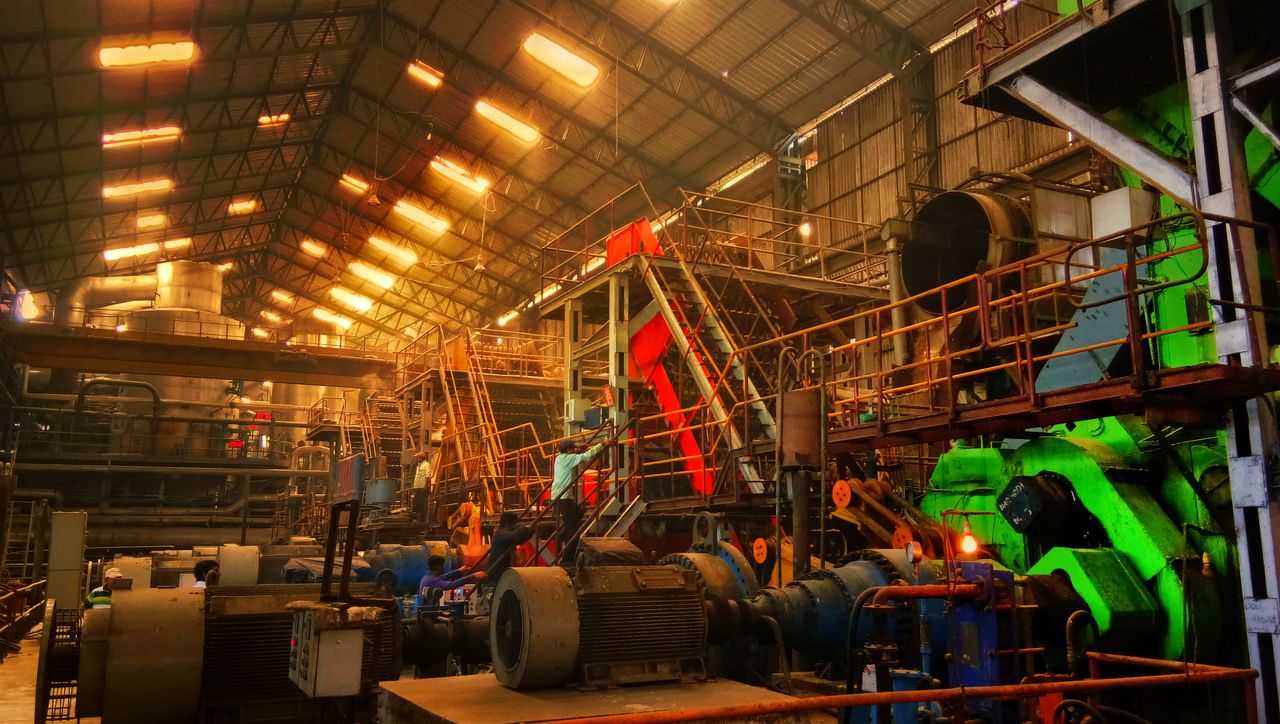
Anyone can buy a pyrolysis reactor. What separates Ignis Eco is the AI control layer that runs it — monitoring feedstock, optimising the thermal curve in real time, and certifying the quality of every batch before it leaves the plant. That is the difference between a fuel buyers trust and one they reject after the first bad delivery.
400–540°C
Oxygen-free conversion temperature
24/7
AI-governed batch monitoring
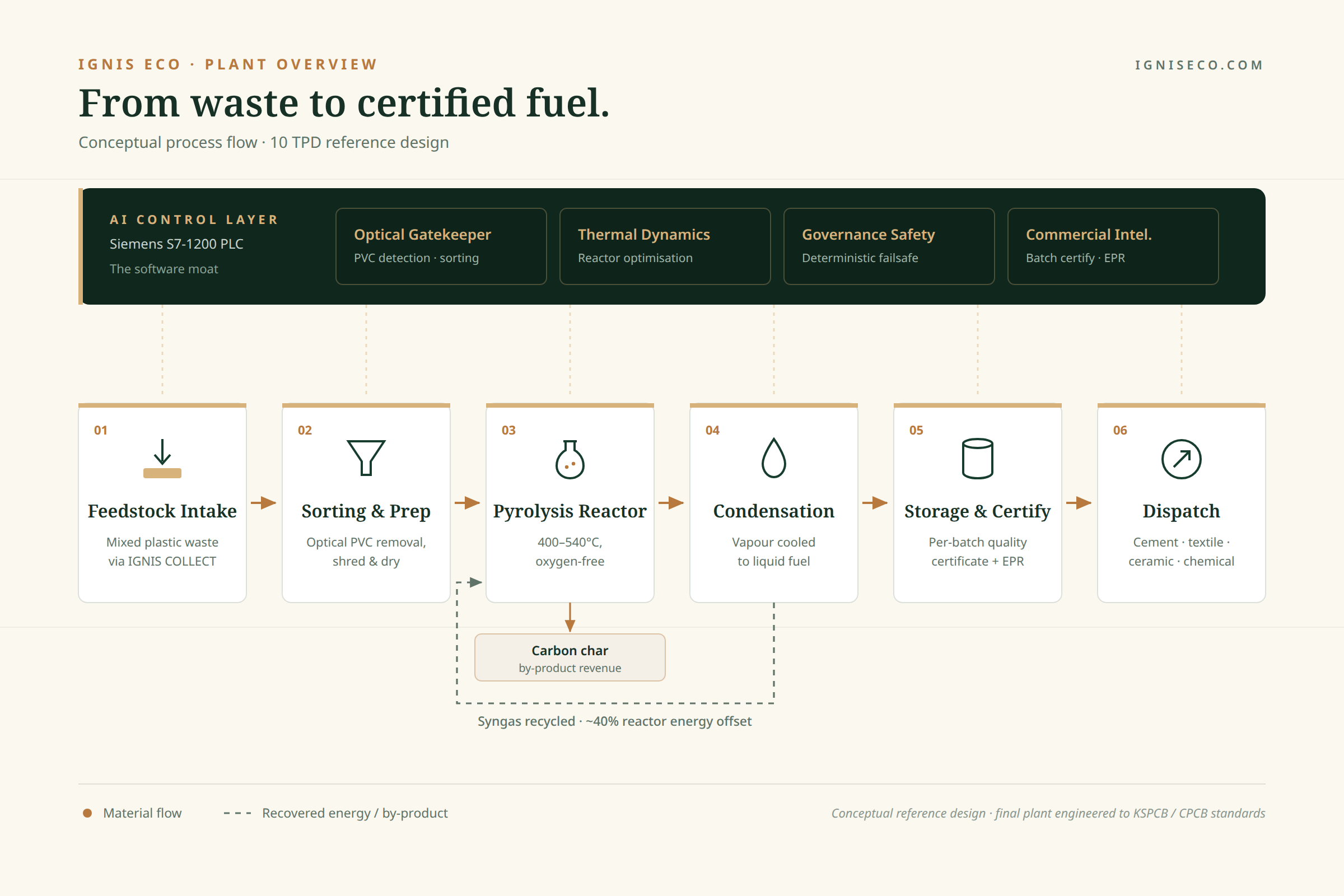
01 · FEEDSTOCK
Stable Inputs
Direct waste-picker partnerships lock in steady feedstock flows no middleman can disrupt.
02 · CONVERSION
Adaptive Control
Real-time thermal monitoring ensures every batch meets certified quality before it ships.
04
IGNIS COLLECT
A supply chain built on dignity.
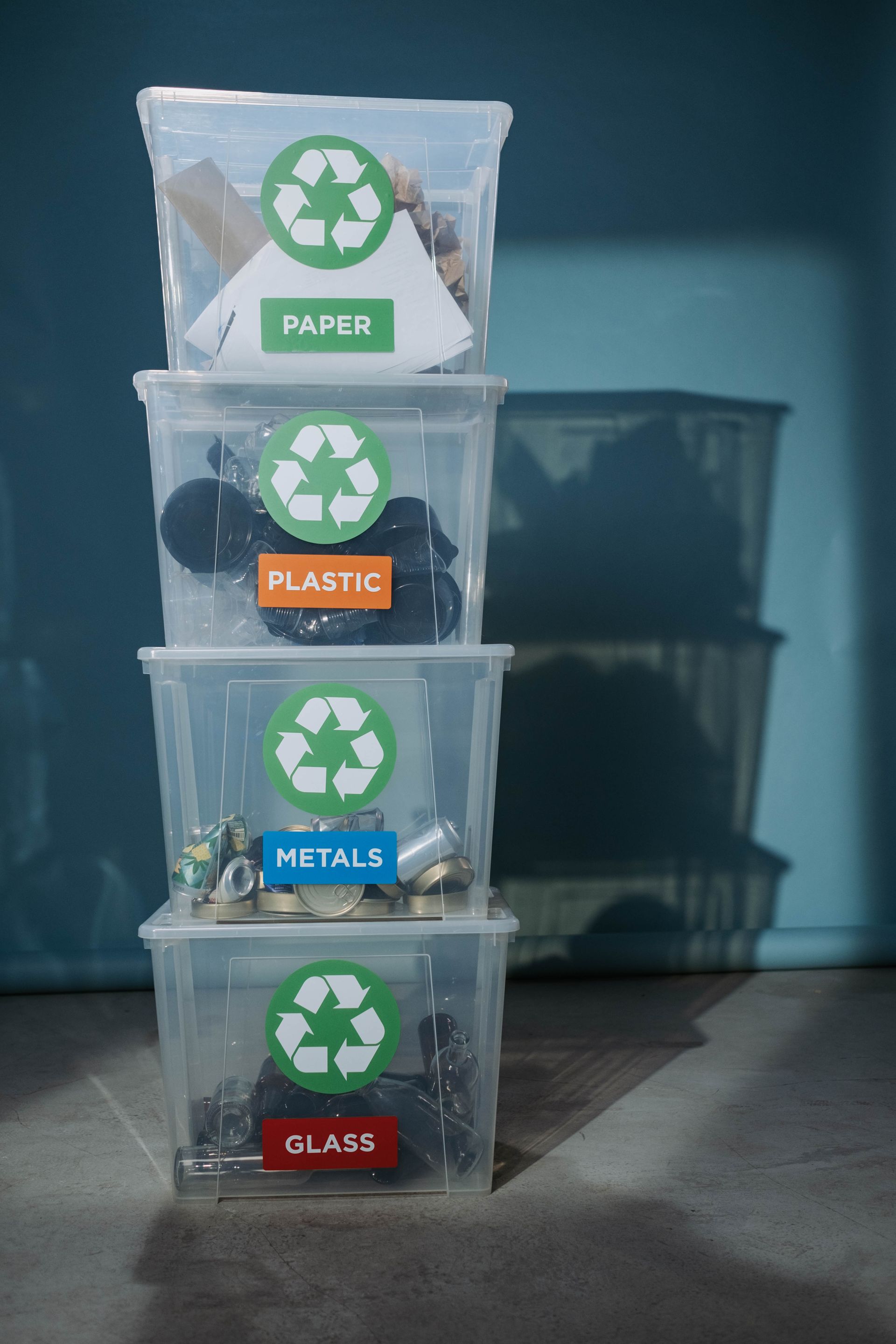
Most pyrolysis operators fail because they treat the people who collect waste as an afterthought. Ignis Eco builds direct relationships with waste pickers, paying above-market rates and offering loyalty tiers that unlock health coverage, accident insurance, grocery support, and school-fee help for their families. This does two things at once: it secures a feedstock supply no middleman can disrupt, and it turns the people at the very bottom of the waste economy into stakeholders in a clean-fuel future.
"When supply disruption costs a picker their family's health coverage, no cartel can outbid us."
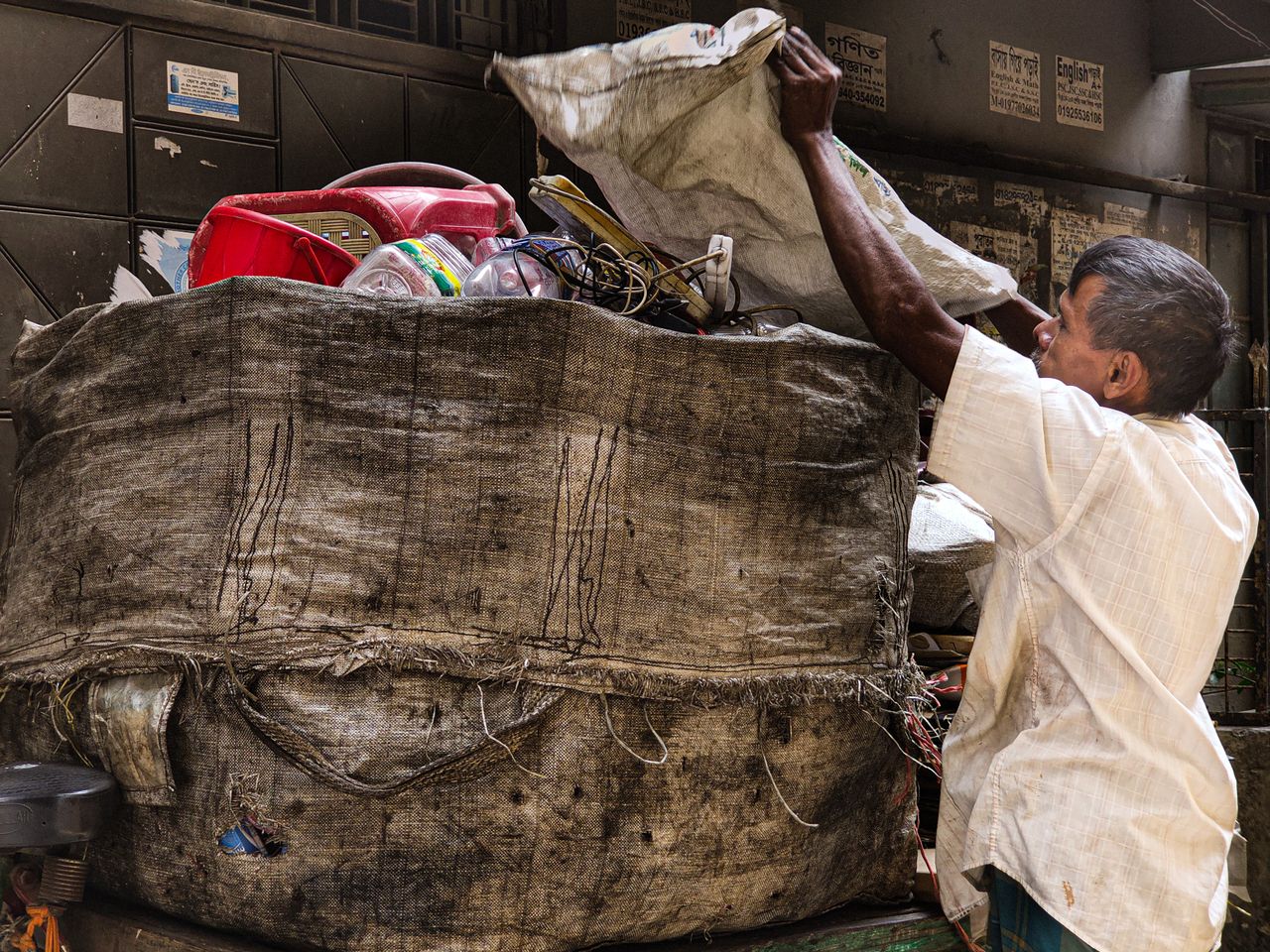
IGNIS COLLECT
Dignity secures the supply chain.
05
WHY NOW
The government mandated the supply. The Prime Minister asked for the demand.
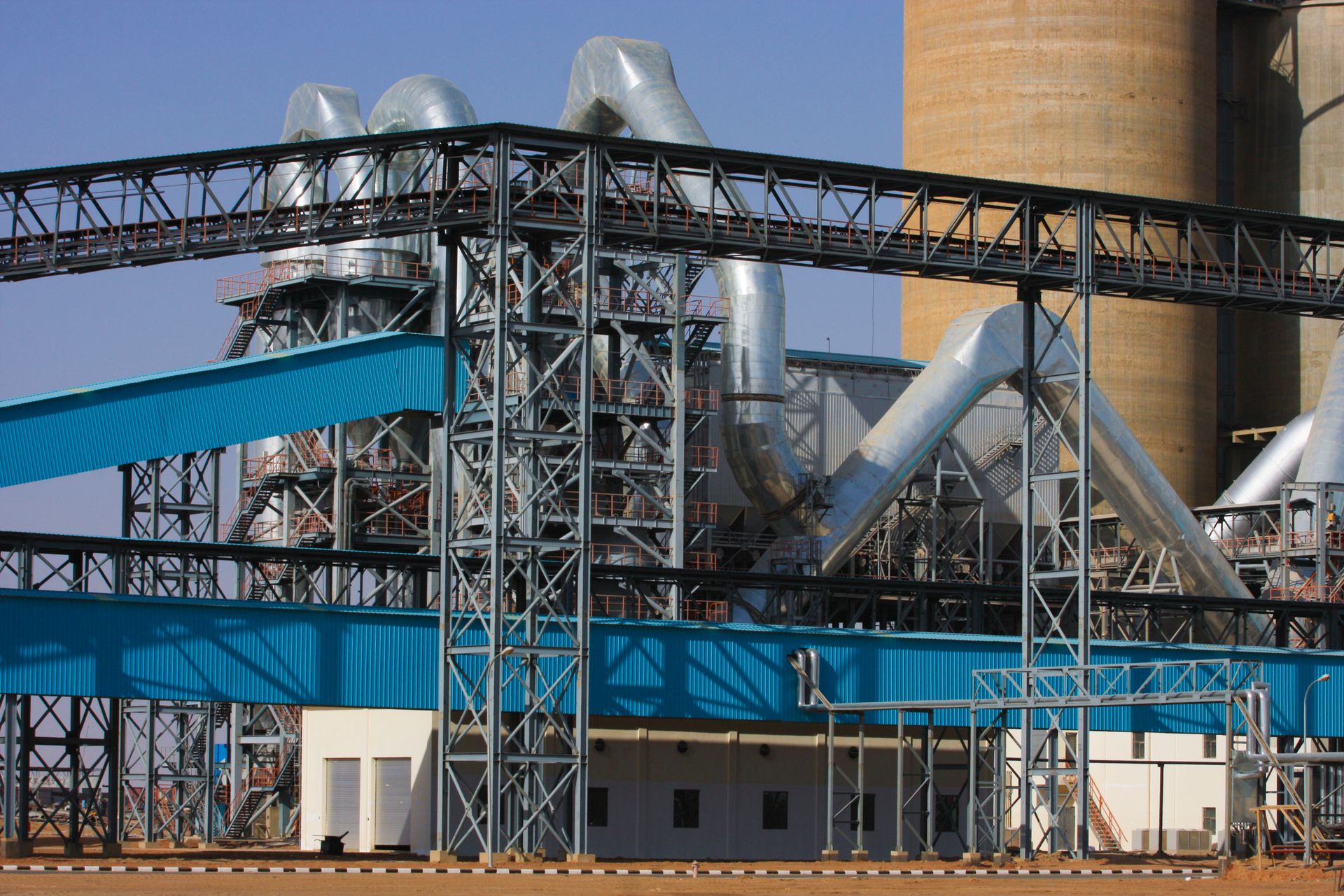
India's 2022 EPR law legally requires brands to fund plastic collection — guaranteeing our feedstock. In 2025, regulators shut hundreds of non-compliant plants, clearing the market. And in 2026, the Prime Minister publicly called on the country to cut its dependence on imported oil. Rarely does a market have its supply legislated and its demand endorsed at the national level at the same time. That window is open now.
LEGISLATED FEEDSTOCK — PLASTIC COLLECTION IS NOW A LEGAL MANDATE, NOT A HOPE
A CLEARED MARKET — NON-COMPLIANT OPERATORS REMOVED; THE LANE IS OPEN
NATIONAL PRIORITY — CUTTING OIL IMPORTS IS NOW A STATED GOVERNMENT GOAL
06
THE BLUEPRINT
Proven in India. Built to scale across the developing world.
Neste built a €20 billion business converting waste into fuel — starting in a small country. We are building the same model in India, with legislated feedstock and a government asking for it. India is the proving ground. The same AI control layer then scales — with local operating partners — across Southeast Asia and Africa, wherever plastic waste and fuel demand meet.
€20.6B
what Neste built from this idea
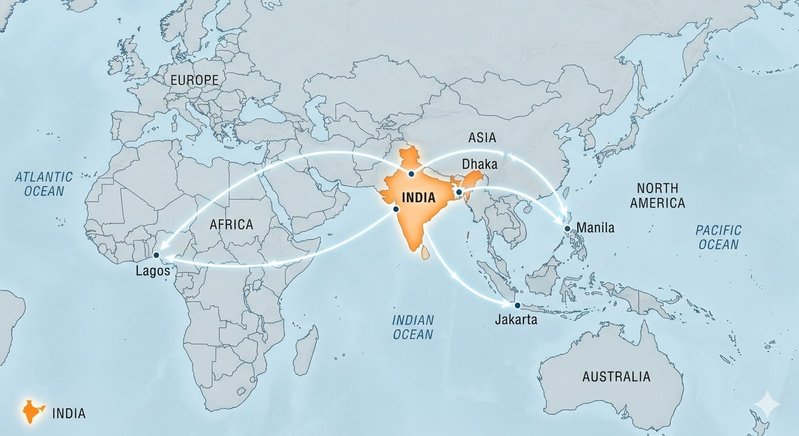
NOW · India
NEXT · SE Asia
THEN · Africa
07
THE OPERATORS
Built by people who understand both the system and the street.

CO-FOUNDER 01
Hairul Azhar
Technology & Capital · Singapore
Founder of AIM Intelligence, building AI systems for industrial control. Architect of the Ignis Eco AI control layer and its Singapore holding structure.
EXPERTISE PATH
AI Development → Autonomous Governance → Singapore Structuring

CO-FOUNDER 02
Mousumi Swain
Operations & India Managing Director · Bengaluru
Three-plus years operating inside India's plastic-waste sector — building aggregator relationships, navigating compliance, and creating the feedstock reliability that industrial scale demands.
EXPERTISE PATH
Aggregator Trust → Regional Logistics → Feedstock Security
08
SUPPORT THE MOVEMENT
This is bigger than one plant. It's what you'll tell your kids you helped build.
We started Ignis Eco because we didn't want to be the generation that saw plastic piling up on our roadsides and rivers, saw factories paying a fortune for imported fuel, and did nothing. Two problems, one answer. The technology is built. The founding team is in place. What we don't yet have is the plant itself, and that's exactly what your support helps us build, from the ground up.
Every tonne of plastic that goes into our reactor instead of a riverbank is one less thing your children inherit having to clean up. Every litre of imported furnace oil our fuel replaces is a rupee that stays in India. This isn't something you give and forget. It's an invitation to help build the version of India your kids grow up in, and to be able to tell them, years from now, that when the moment came, you were one of the people who actually showed up.
"We're not asking you to fund an idea on paper. We're asking you to help us build something real, and to be proud you did it before it even existed."
WHAT WE'RE COMMITTING TO
- Every rupee goes toward named, concrete costs, plant equipment, setup, and getting our first site licensed. We publish what it's spent on, as it's spent.
- You're backing the build, not investing in it. No equity, no profit share, just real progress you can see.
- Honest updates as we go, real photos, real progress, and real setbacks, not just good news.
- Our names and our story are public. We're not hiding behind this campaign, we're standing in front of it.
Can't give right now? Sharing this with one person who'd care moves this forward too.
09
QUESTIONS
Straight answers, before you have to ask.
We'd rather you know exactly where we stand than read a polished pitch.
Is pyrolysis actually proven, or is this new, unproven technology?
Pyrolysis isn't new. It's the same chemical reaction used to make plastic in the first place, run in reverse, and it has powered commercial plants around the world for over a decade. What's new is applying an AI control layer to make the process safe, consistent, and certifiable at Indian industrial scale.
Has Ignis Eco actually built a plant yet?
Not yet, and we won't pretend otherwise. The AI system that will run the plant is built. The founding team is in place. What's left is the physical site, and that's exactly what our fundraising campaign and investor raise are funding.
How is Ignis Eco different from other plastic-to-fuel operations in India?
Most existing plastic-to-fuel operations in India run informally, outside any real compliance or safety framework. Ignis Eco is built to be vertically integrated and compliance-first from day one, with an AI layer that certifies every batch before it ships.
Is Ignis Eco a registered, legitimate company?
Yes. Ignis Eco is incorporated in Singapore and is building its first plant in Bengaluru, India. Our founders' names, backgrounds, and story are public.
Why does India need this now?
India generates 9.3 million tonnes of plastic waste a year and collects less than 30% of it, while spending over ₹11 lakh crore annually importing the crude oil that plastic was made from. India's 2022 EPR law now legally mandates plastic collection, guaranteeing the feedstock. The only thing missing is someone willing to build the plant.
What happens to my contribution to the Ignis Eco campaign?
Every rupee goes toward named, concrete costs, plant equipment, setup, and getting our first site licensed and running. We publish what the money is spent on as it's spent. You're backing the build, not investing in it: no equity, no profit share, just real progress you can see.
I can't give right now. How else can I support Ignis Eco?
Follow the campaign, share it with people who'd care, and follow us on Instagram. A ten-second share reaches people we'd never reach on our own, and it costs nothing but still moves this forward.
When will the first Ignis Eco plant be running?
We don't have a fixed date yet, because securing the site and completing the raise come before the build, and we're not going to promise a date we can't back up. We publish honest updates as real milestones happen.
THE NEXT INDUSTRIAL LOOP
A cleaner industrial future begins with what India already has.
Ignis Eco is building a platform where waste becomes feedstock, intelligence becomes trust, and climate infrastructure becomes impossible to ignore.
India's plastic isn't waste. It's the fuel we've been importing all along.